top of page
DSC00188 (1).jpg

LIGNES DE FUITE — 
STUDIO

LDF provides shared management infrastructure for independent fashion practice, connecting designers to tools, expertise, market, and audiences.

Designers use this shared structure to design, produce, photograph, sell, and gain recognition for their work.

  • Independent fashion practice is often constrained by the cost and fragmentation of production infrastructure. Today, this extends beyond garment making to include image production, documentation, and visual output required for circulation and market presence.
     

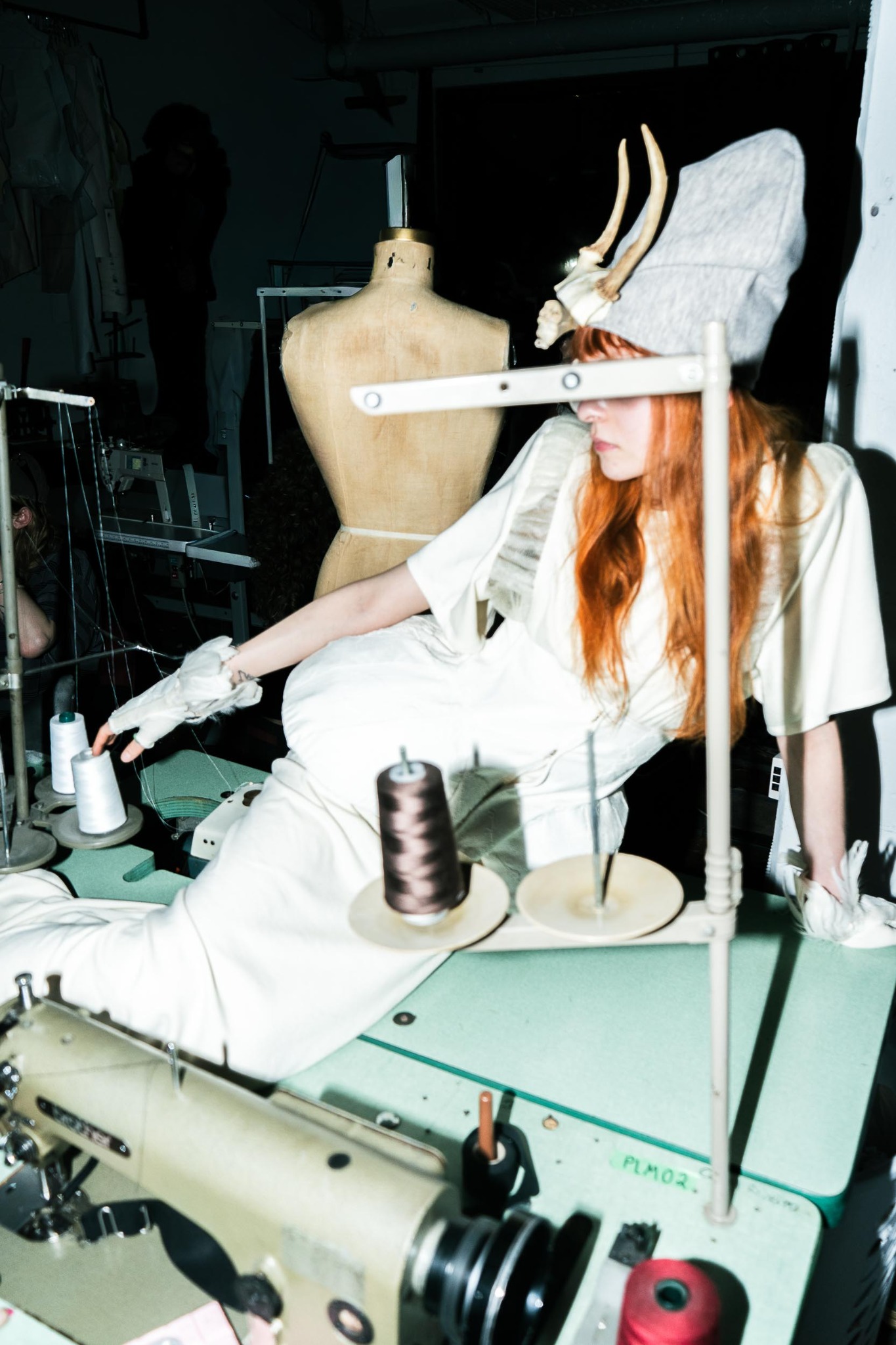
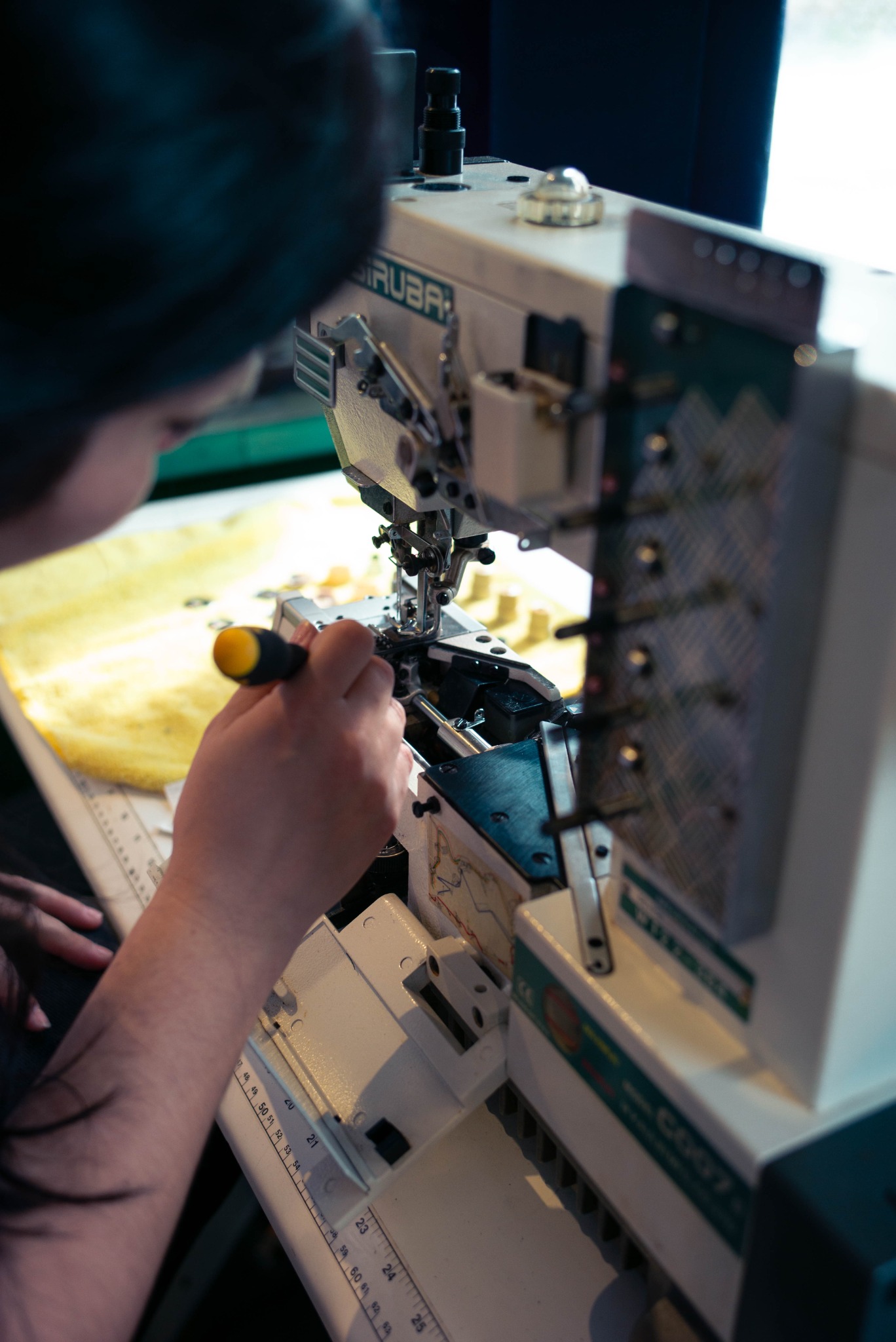
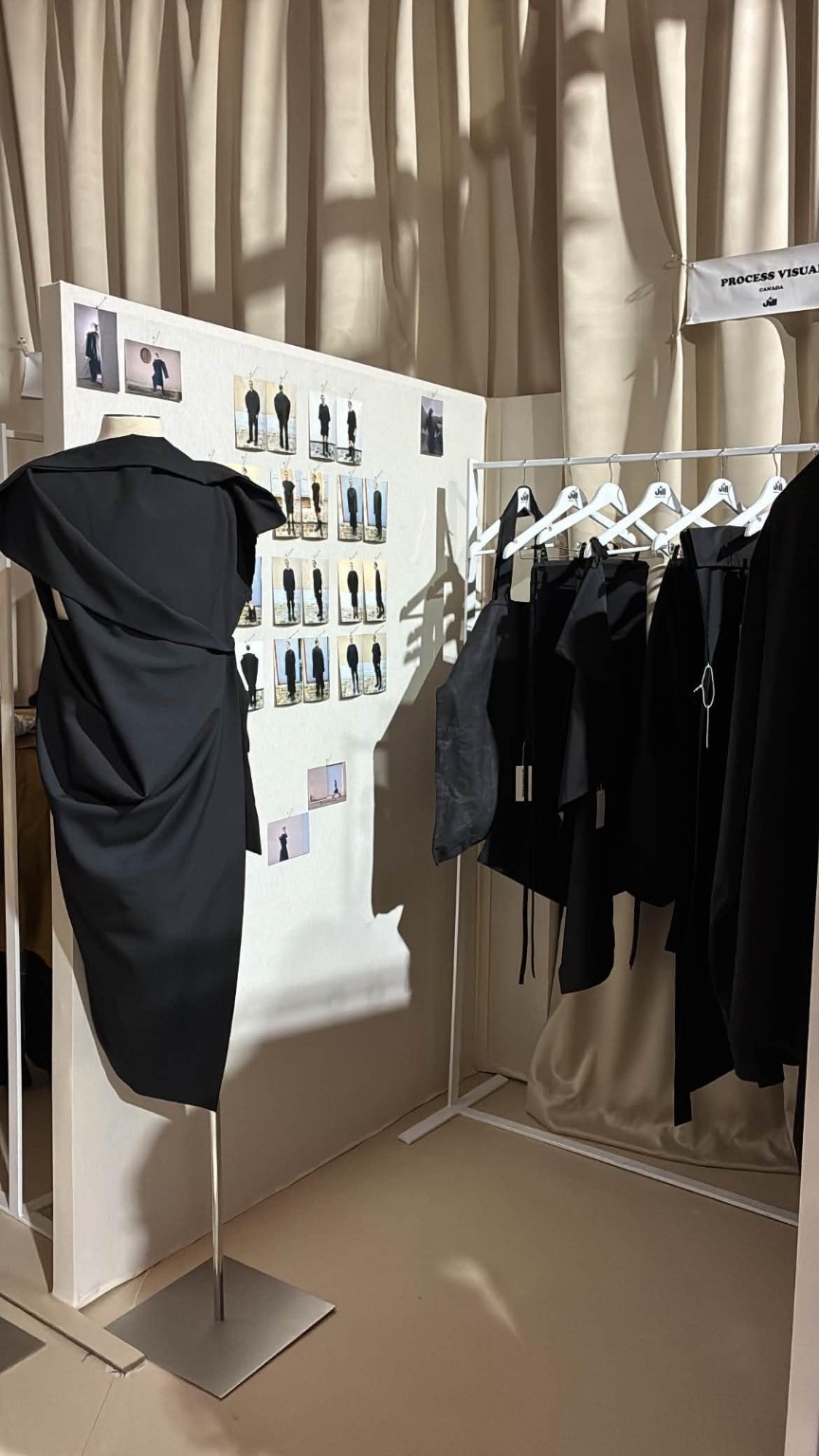
    LDF Studio mutualizes professional workspaces, machines, technical tools, and image-production infrastructure necessary for garment development, prototyping, limited production, and visual documentation. Rather than operating in isolation, designers work within a shared production environment that integrates material and visual production.
     

    This collective setup distributes fixed costs, reduces individual operational burden, and allows designers to produce both garments and images under professional conditions that would be inefficient or unsustainable to maintain independently.

  • Independent practice often requires designers to navigate highly specialized technical decisions while simultaneously managing transversal considerations across design, production, image, and market contexts.
     

    Within LDF Studio, expertise is mutualized across both specialized and transversal domains. Designers operate in proximity to highly specialized technical skills as well as cross-disciplinary knowledge that connects design, craft, production, image-making, and market logic.
     

    This shared expertise reduces reliance on fragmented external consulting while supporting informed decision-making across the full scope of independent practice. Accountability emerges through collective visibility and shared professional standards rather than hierarchical instruction.

  • When working conditions are shared, public presence becomes a collective outcome rather than an individual risk.
     

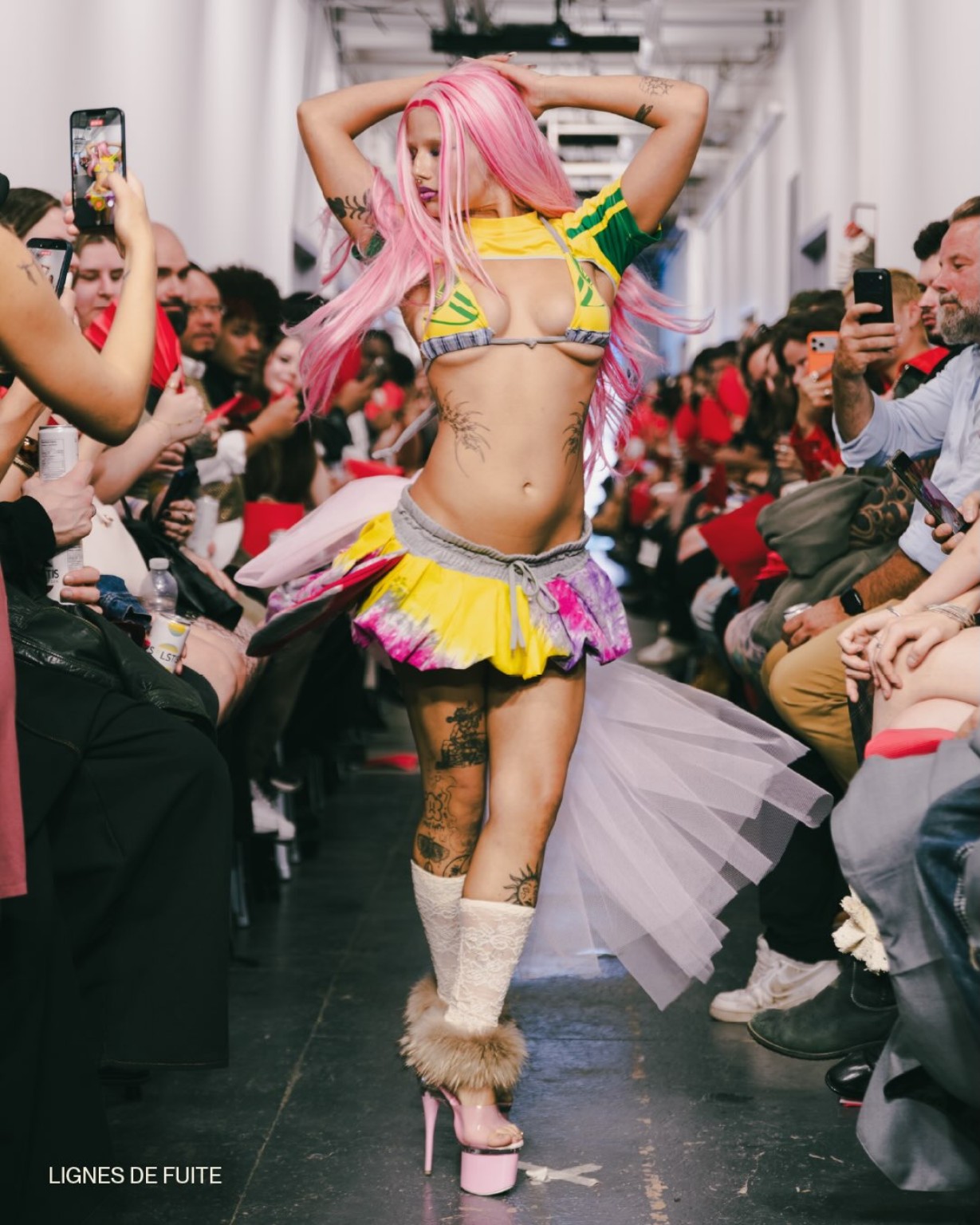
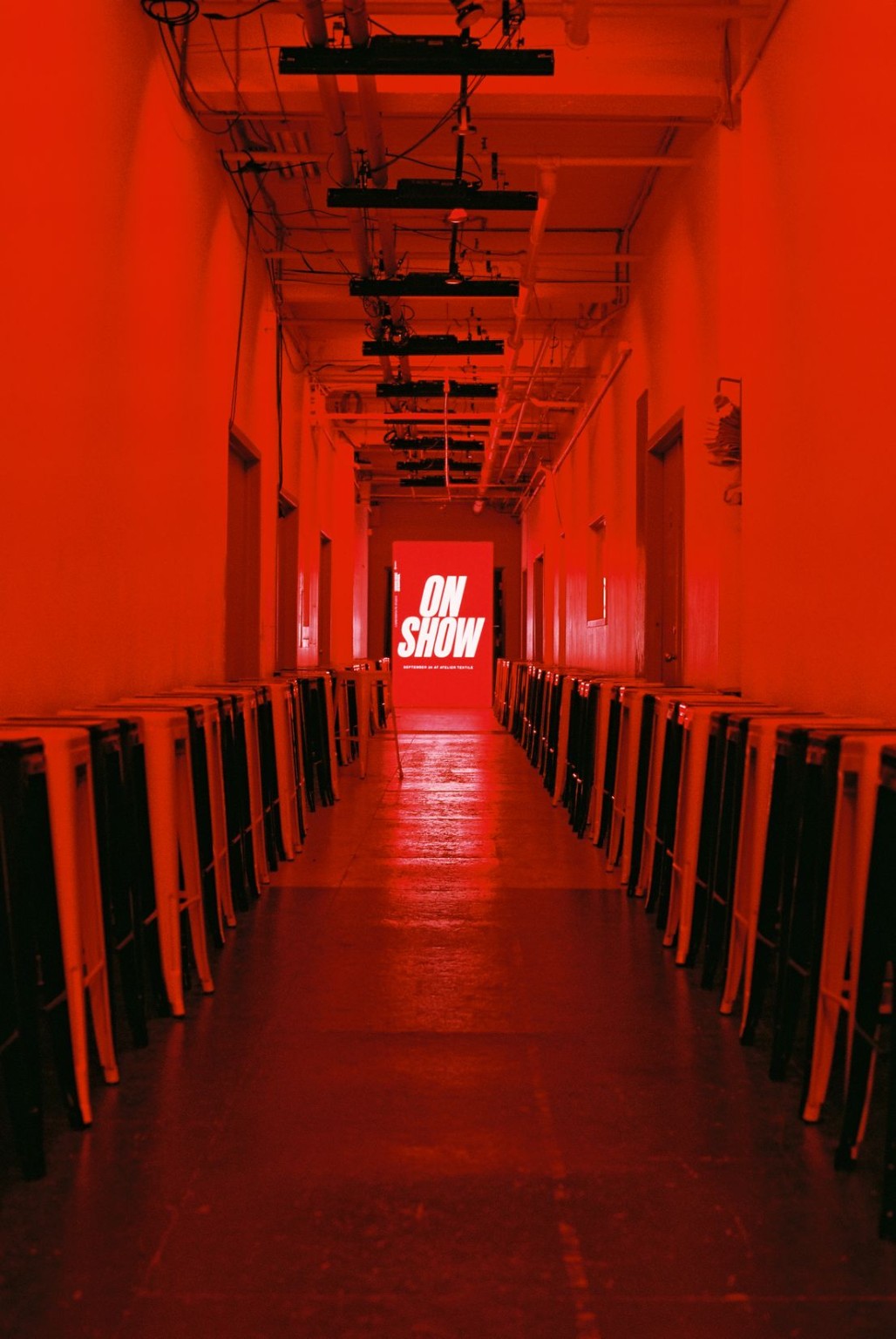
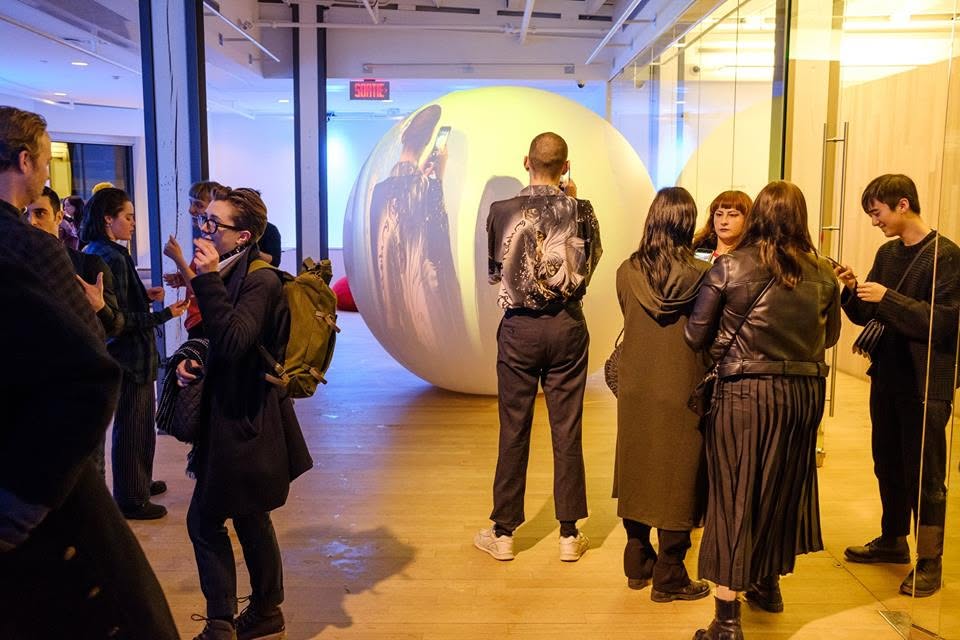
    LDF Studio concentrates public-facing activity through shared events, presentations, and industry encounters. These moments are not isolated showcases, but the visible result of an underlying infrastructure.
     

    By pooling audiences, resources, and production effort, the Studio lowers the cost and exposure associated with public engagement while increasing coherence and impact.

  • Independent designers engage with markets unevenly, often facing high financial and operational risk when acting alone.
     

    LDF Studio mutualizes access to market participation through shared retail contexts, distribution platforms, and transactional infrastructure. This allows designers to engage with markets incrementally, without assuming the full cost or risk individually.
     

    Market presence becomes a shared condition rather than a singular gamble, supporting continuity over short-term performance.

  • Outside dominant industry systems, independent work often lacks clear cultural and market legibility.
     

    LDF Studio consolidates cultural positioning through shared narratives, platforms, and contexts that allow individual practices to be situated without being homogenized. Designers benefit from a collective frame that makes their work readable to audiences, collaborators, and institutions.
     

    By mutualizing positioning rather than self-promotion, the Studio reduces the individual burden of legitimacy while preserving the specificity of each practice.

Designers engage with LIGNES DE FUITE through three pathways, depending on experience, objectives, and capacity.

  • The Designer-in-Residence pathway is intended for designers with an established practice who require long-term continuity, space, and professional integration.

    Residencies are offered based on space availability and alignment with the standards of the Studio community. Entry is not application-based in the conventional sense, but develops through expressed intent, ongoing dialogue, and evaluation of readiness.

    Designers in residence typically demonstrate consistency, autonomy, and a clear trajectory. Due to limited capacity, this pathway operates with a waiting list and selective intake.
     

    → Learn more about the Designer-in-Residence pathway and availability

  • The Mentoring Program is a structured, cohort-based program designed for designers transitioning directly from formal training into independent professional practice.

    An annual call for applications opens in the spring. Candidates are selected through portfolio review and evaluation of readiness, clarity of intent, and capacity to operate within professional constraints.
    From an average pool of 20–30 applicants, a small cohort is selected each year.

    The program begins in September and supports designers through a defined timeline toward public presentation, professional positioning, and operational consolidation.

    → View the Mentoring Program structure and application process

  • Advanced Units are short, skill-specific programs designed to address targeted technical, material, or strategic needs.

    These units typically run between 7 and 14 weeks and respond to evolving industry conditions, production realities, and professional skill gaps. They are designed for designers who do not require long-term programs but seek focused advancement within a specific area.

    Advanced Units are offered periodically, often beginning in January or September, and operate through open calls or targeted invitations depending on the nature of the unit.

    Explore upcoming Advanced Units

Beyond participation pathways, the infrastructure can be mobilized to develop products, produce garments, create campaigns, and deliver projects for brands, institutions, and cultural organizations. These mandates circulate budgets through the studio and generate paid opportunities for independent designers working within LDF.

  • Many projects begin with ideas but lack the technical framework needed for production.

    LDF provides design support, technical development, pattern-making, and full technical packages (spec sheets, construction details, measurement charts) to translate creative concepts into manufacturable products.

  • Accessing appropriate materials and suppliers can be a major barrier for emerging or specialized projects.

    Through our international network — including long-standing relationships in Hong Kong — LDF supports sourcing of fabrics, trims, and components aligned with project requirements, scale, and budget.

  • Projects often require precision and expertise without reaching industrial production volumes.

    We support sampling, prototyping, and small-run production adapted to emerging brands, experimental projects, and specialized garments.

  • A growing part of the fashion economy involves extending the life of existing garments rather than producing new ones.

    LDF specializes in high-difficulty reconstruction, creative transformation, and complex repair — particularly for designer garments, leather, fur, and structurally challenging pieces. This approach combines sustainability objectives with advanced craft and design intervention.

  • Creative projects frequently require coordination between design, styling, and visual production.

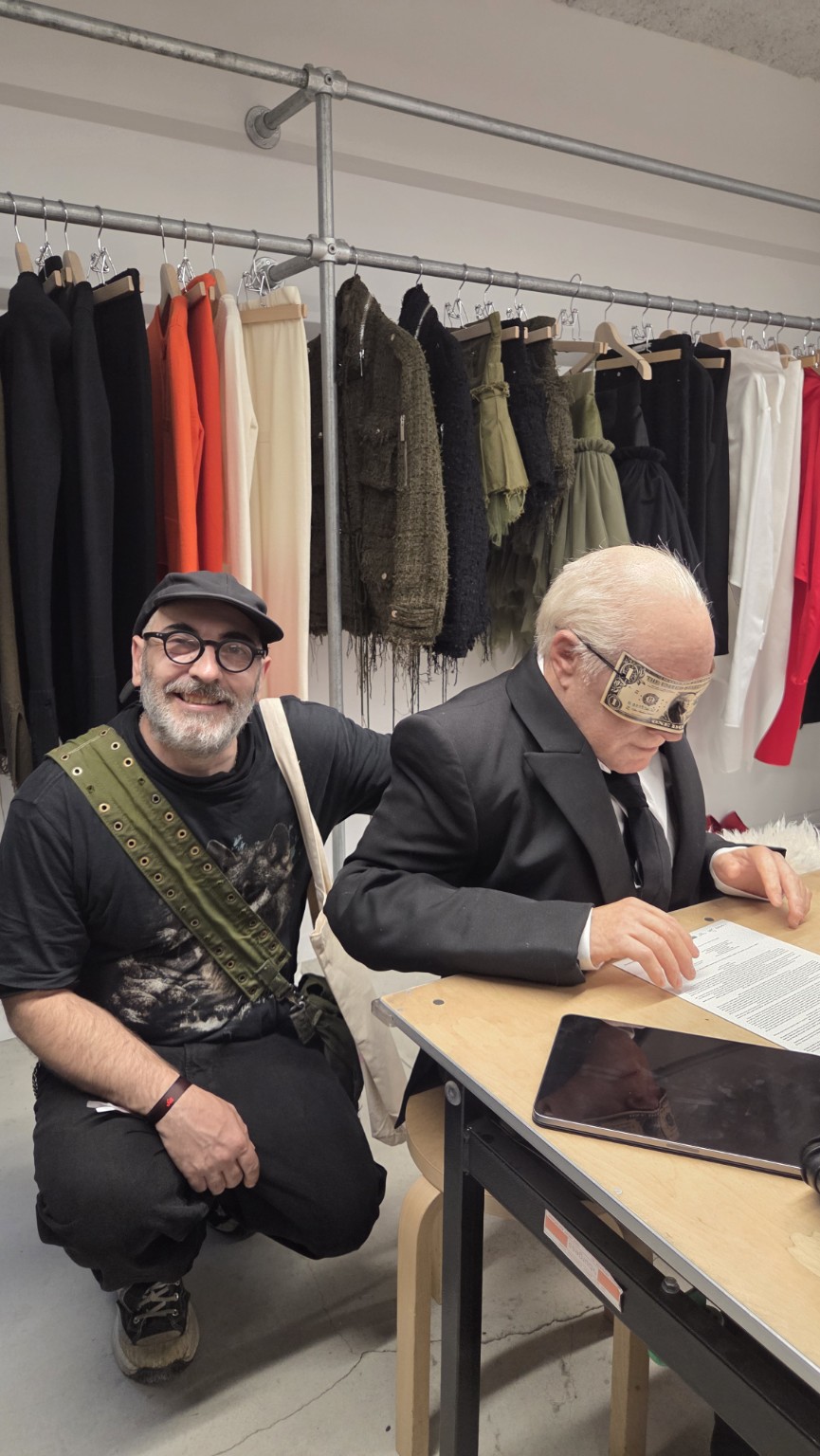
    LDF assembles teams of photographers, stylists, designers, and technicians from within its ecosystem to produce campaigns, editorials, and professional visual assets.

  • Organizations and institutions often require specialized training adapted to real professional contexts.

    LDF develops custom workshops, applied learning programs, and continuous education formats tailored to partner needs — bridging technical knowledge, creative development, and industry realities.

  • Independent designers frequently lack access to international markets due to cost and fragmentation.

    LDF mutualizes export initiatives, trade opportunities, and market exposure by organizing collective participation in showcases, missions, and industry platforms, reducing barriers for designers while increasing visibility for partners.

  • Organizations increasingly seek meaningful public engagement formats around fashion and design.

    We develop activations, showcases, installations, and public programs that connect audiences with creative practice while supporting designers professionally.

  • Beyond delivering projects, LDF’s model ensures that mandates generate paid opportunities and professional experience for independent designers working within the infrastructure.

    This is part of our mission: strengthening the ecosystem by stabilizing creative labor.

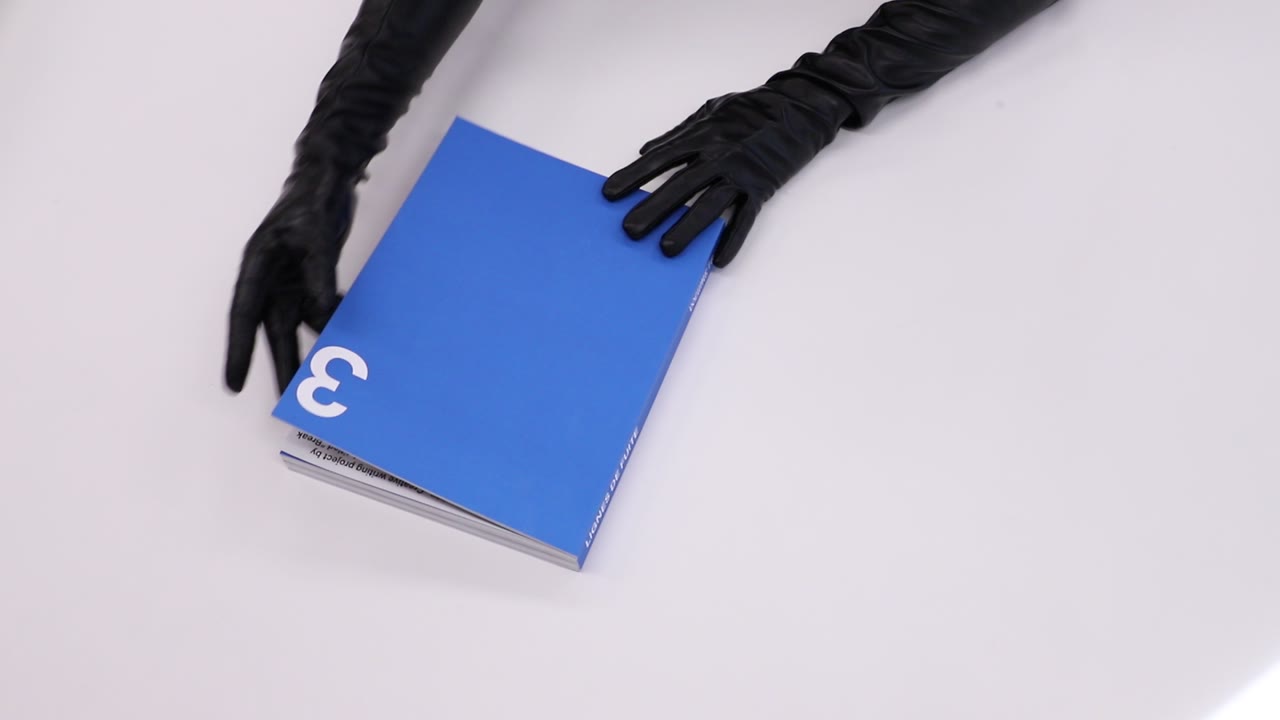
Work developed at LIGNES DE FUITE enters the public through three platforms.

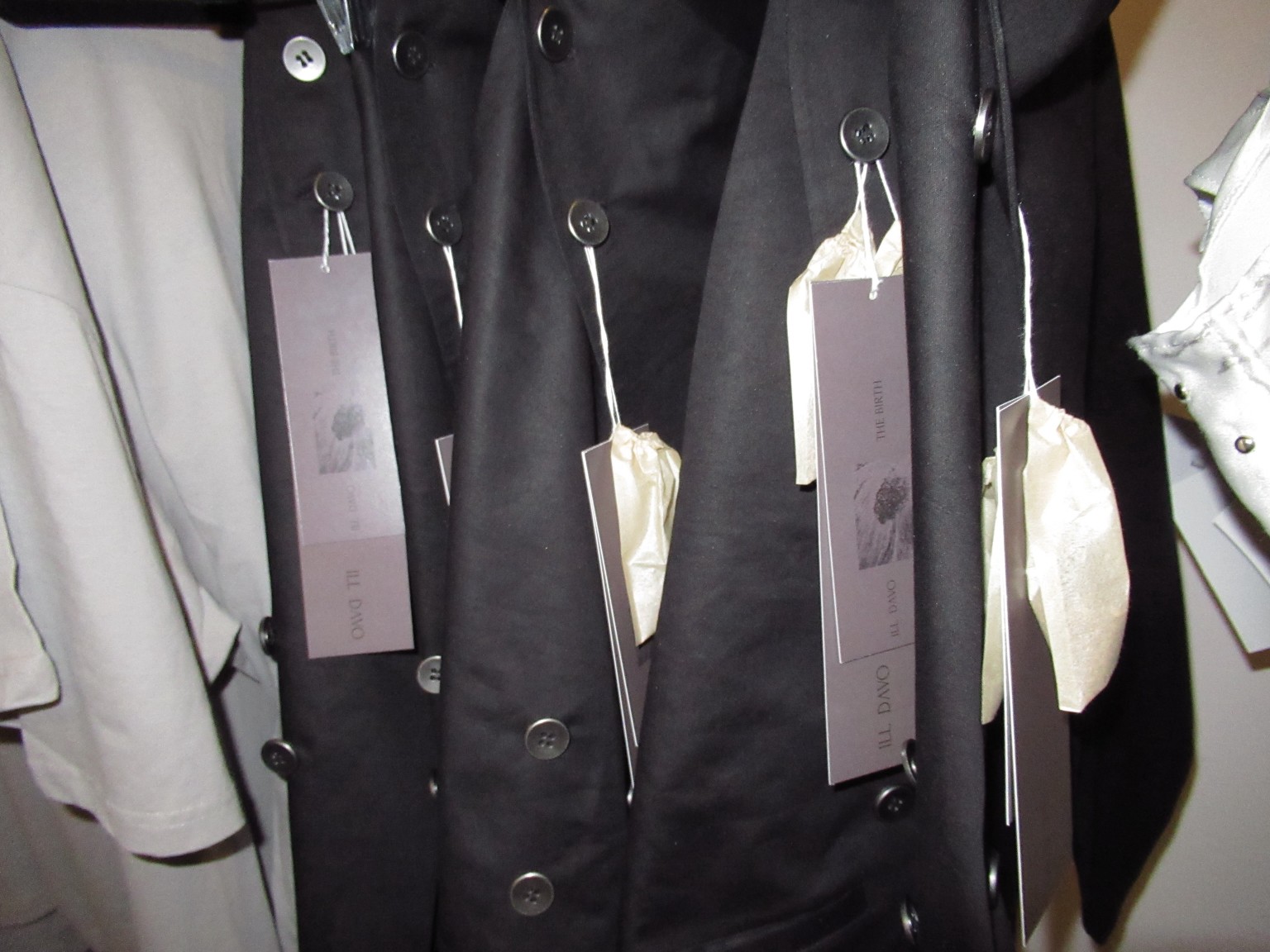
Curated retail platform 

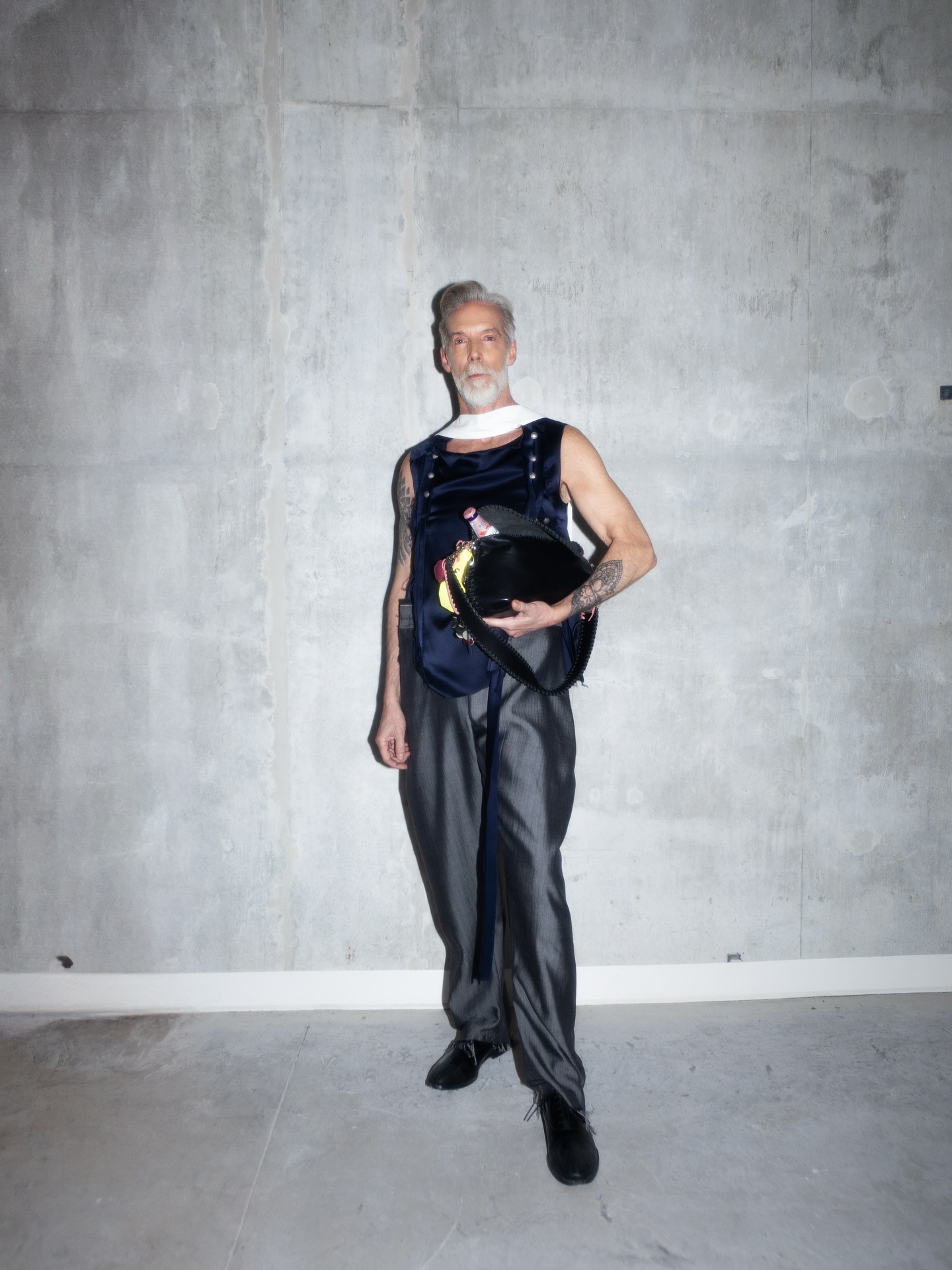
Documentation JOURNAL

21.004-LDF2-Alex_Black-HQ_JPG-Kai_velvet_ground-V1.jpg

exhibitions and events 

FAT_2024_BTS__ambri.ph-08045.jpg

LIGNES DE FUITE WORKS ONLY WITH INDEPENDENT DESIGNERS WHO ARE FULLY ALIGNED WITH THE FOLLOWING CRITERIA.

  • Independent fashion practice involves structural risk, long time horizons, and personal responsibility.
     

    Designers working with LIGNES DE FUITE understand that creative independence implies assuming the economic, operational, and reputational risks of their practice. The Studio provides shared working conditions, but does not absorb risk on behalf of designers.
     

    This practice requires time, consistency, and the ability to operate across fluctuating levels of income. Designers are expected to engage independent fashion as a long-term commitment, often alongside parallel sources of income, rather than as a short-term opportunity.

    Alignment with LIGNES DE FUITE implies a clear-eyed understanding of these conditions and a willingness to operate within them.

  • Independent fashion practice at LIGNES DE FUITE is understood as an applied art form, operating at the intersection of art, craft, and design.

    This practice is neither purely conceptual nor purely commercial. It belongs to a lineage of making in which artistic intention, technical knowledge, and material execution are inseparable. Designers are engaged not only in image-making, but in the development of forms that are conceived, constructed, tested, and circulated within real conditions of use and production.

    Within this framework, fashion is approached as a cultural and aesthetic discipline grounded in material intelligence, construction expertise, and formal rigor. Craft is understood as an active mode of research and thinking—where technique, repetition, and precision generate meaning, value, and authorship over time.

    Independent designers working in this context operate as applied artists. Their practice translates ideas into functional forms, navigates economic and technical constraints, and assumes responsibility for both the object produced and the conditions of its making. The work exists in relation to bodies, use, wear, and durability, as much as in relation to discourse or image.

    At LIGNES DE FUITE, form, process, and intention are not treated as separate stages. Design decisions emerge through hands-on experimentation, problem-solving, and sustained engagement with materials. Value is generated through coherence, precision, and continuity of practice, rather than scale or trend alignment.

    This position recognizes independent fashion as a legitimate cultural practice—one that produces public value through applied knowledge, skilled labor, and the ongoing transmission of techniques within a contemporary design context.

  • Designers working with the Studio are selected based on the presence of a singular and coherent point of view.
    Authenticity is understood as authorship sustained over time, rather than individual expression or stylistic novelty.
    This requires internal consistency across collections, materials, images, and contexts, allowing work to show continuity, responsibility, and intention.

  • Innovation within LIGNES DE FUITE is approached as a sustained practice rather than an isolated effect.
    Designers are expected to engage innovation through process, material research, construction methods, image-making, and systems of production.
    Innovation is measured by the ability to extend, refine, or reframe fashion language through disciplined and continuous work.

  • Designers working within the Studio are understood as producers of aesthetics rather than solely creators of clothing collections.
    Their practice contributes to broader visual, material, and cultural landscapes through garments, images, objects, presentations, and public encounters.
    Fashion is approached as a medium through which aesthetic positions circulate, shape perception, and participate in the cultural identity of contemporary Canadian cities.

  • Independent fashion practice requires more than design competence alone.
    Designers working with LIGNES DE FUITE are expected to engage their practice as a micro-enterprise, with an understanding of how work circulates, reaches audiences, and sustains itself economically over time.
     

    This does not imply scale or mass distribution. Rather, it requires transversal awareness across design, production, image, pricing, distribution, and communication, aligned with niche markets and specific audiences.
     

    Designers are selected based on their willingness to assume responsibility for the commercial life of their work, integrating economic considerations into practice without compromising authorship or cultural intent.

Request access

bottom of page